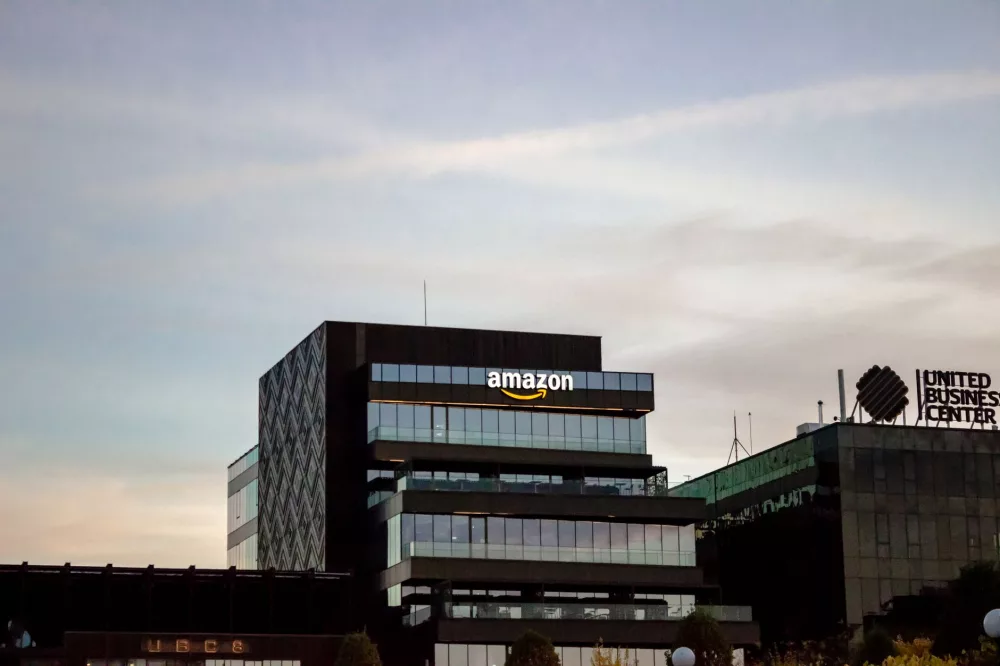
The Genesis of a Giant: My First Impressions of Amazon
When I think about Amazon, I often recall its humble beginnings. It’s quite astonishing, isn’t it, to consider that this global powerhouse, this behemoth of modern commerce, started as a simple online bookstore? Jeff Bezos, with a vision that extended far beyond paperbacks and hardcovers, founded Amazon in 1994. My understanding is that he saw the immense potential of the internet to disrupt traditional retail, betting on a future where people would buy almost anything online. It wasn't an immediate success story for everyone to see, but that foundational belief in the long-term potential of e-commerce, I believe, is what truly set the stage.
We’ve all witnessed its incredible journey. What began with books quickly expanded to music, then electronics, and before I knew it, Amazon was selling just about everything under the sun. This rapid expansion wasn't just about adding more products; it was about meticulously building an infrastructure to support a truly customer-centric approach. I’ve always been impressed by their relentless focus on the customer experience, whether it’s through competitive pricing or making the checkout process incredibly smooth. That’s probably why so many of us find ourselves returning to their site again and again.
Amazon's Pillars: Beyond the Online Store
It would be a mistake to view Amazon solely as an online retailer. Over the years, I've seen it diversify into numerous sectors, creating a complex ecosystem that frankly, few companies can rival. Let's look at some of these integral components:
- Amazon Web Services (AWS): This is probably one of the most transformative decisions Amazon ever made, and I honestly don't think many people outside of tech truly grasp its significance. AWS provides on-demand cloud computing platforms and APIs to individuals, companies, and governments. It’s the backbone for countless websites, applications, and services globally, including Netflix, Airbnb, and even government agencies. I find it fascinating that the infrastructure built to support Amazon's own operations became a highly profitable and leading cloud computing platform. It's a huge revenue driver for them, you know.
- Amazon Prime: For many of us, Prime has become almost indispensable. When it launched in 2005, I remember thinking free two-day shipping was a game-changer. But it evolved! Now, it's a comprehensive membership program offering a bundle of services including streaming video (Prime Video), music (Prime Music), e-books (Prime Reading), and exclusive deals. I personally feel that Prime dramatically deepened customer loyalty, making Amazon a go-to for so many of our shopping needs. It just makes things so convenient.
- Amazon Devices: From the Kindle e-reader, which really revolutionized digital reading, to the Echo smart speakers powered by Alexa, Amazon has consistently pushed into hardware. I’ve owned a few Kindles myself, and they’re fantastic. The Fire TV stick is also incredibly popular. These devices serve not just as products, but as entry points into Amazon’s broader service ecosystem, seamlessly integrating with Prime and other offerings. They’re designed to keep you within their world, and I think they do a pretty good job of it.
Logistics, Innovation, and the Future
One aspect of Amazon that always captures my attention is its incredible logistical prowess. Their network of fulfillment centers, sorting centers, and delivery stations is truly mind-boggling. I've read about their sophisticated algorithms and robotic systems that optimize every step from warehouse to your doorstep. It’s a masterclass in operational efficiency. We're talking about millions of packages delivered daily, and that requires an extremely robust and intelligent system. I can't even imagine the scale of it all!
Innovation is clearly at the core of Amazon’s DNA. They’re constantly experimenting with new technologies like drone delivery, cashier-less physical stores (Amazon Go), and artificial intelligence for personalization and efficiency. I wouldn't be surprised to see them enter even more unexpected sectors in the future. Their investments in areas like healthcare (PillPack) and groceries (Whole Foods Market) suggest they’re always looking for new markets to disrupt. We're talking about a company that isn't afraid to take big risks and pivot when necessary.
Challenges and Criticisms I've Noticed
Of course, a company of Amazon's size and influence doesn't operate without its share of scrutiny and challenges. I’ve certainly come across discussions about their impact on smaller businesses, the working conditions in some of their fulfillment centers, and antitrust concerns over their market dominance. These are serious issues, and I believe they warrant careful consideration. Maintaining a balance between growth, innovation, and corporate responsibility is a perpetual challenge for any global enterprise of this magnitude.
Environmental concerns are another area where Amazon faces pressure. With such a vast shipping network, the carbon footprint is significant. They’ve made commitments to sustainability, like aiming for net-zero carbon by 2040, but I think many people, myself included, are watching closely to see how effectively they can implement these initiatives across their massive operations.
My Takeaway on Amazon's Enduring Influence
In conclusion, it’s clear to me that Amazon is far more than just an online store; it’s a multifaceted technological and logistical marvel that has fundamentally reshaped how we shop, consume media, and even how businesses operate in the cloud. My experience with them, both as a customer and an observer, has shown me a company that consistently pushes boundaries and innovates at an incredible pace.
We're living in a world profoundly influenced by Amazon, and its journey from a small book retailer to a global colossus offers a compelling narrative about vision, relentless execution, and the transformative power of technology. It's a company that has, for better or worse, become an integral part of our modern lives, and I don't see that changing anytime soon.