When I think about European automotive history, certain names just pop into my head immediately. And believe me, Opel is definitely one of them. For over a century and a half, this German marque has been building vehicles, evolving from a sewing machine manufacturer to a global carmaker. My intention today is to give you a really thorough understanding of what makes Opel, well, Opel, and where it's headed in this wild, fast-changing automotive world.
Opel's Enduring Journey: A Storied Past
You know, Opel's story is pretty fascinating. It all began back in 1862 when Adam Opel started his company, not making cars, but sewing machines. That's a classic tale for many early industrial giants, isn't it? Bicycles came later, and then, right around the turn of the 20th century, they ventured into automobile production. That’s a massive leap!
For a good chunk of the 20th century, Opel cars were synonymous with robust, reliable, and accessible German engineering. They really hit their stride. In 1929, General Motors (GM) bought a majority stake, and eventually, full ownership. This era, under GM's wing, saw Opel become a powerhouse in Europe, often serving as GM's primary European brand. We saw so many iconic models come out during this period.
But then, things shifted, as they always do. After decades of fluctuating fortunes and significant financial challenges for GM in Europe, Opel (along with its British sibling, Vauxhall) was sold to PSA Group (now part of Stellantis) in 2017. This was a monumental change, a real turning point, and it set Opel on a fresh path, charting its own course again, albeit under new ownership. It’s been quite a ride, I tell ya!
Key Milestones and Innovations I Remember
- Early Pioneers: Opel quickly became Germany's largest car manufacturer in the 1920s. Think about that for a second. That's huge!
- The Kadett Era: This model, first introduced in 1937, really embodied the spirit of affordable family transport. Later versions were everywhere.
- Safety First: Opel often led with safety innovations, bringing features previously found only in luxury cars to the masses. I always appreciated that.
- Accessible Technology: They've consistently focused on making good technology available to more people, not just the premium segment.
- Return to Profitability: Under Stellantis, the brand has seen a remarkable turnaround, which is really encouraging for its future.
What Defines an Opel? Design, Engineering, and Practicality
So, what exactly is it that makes an Opel an Opel? For me, it boils down to a few core principles: German engineering, practicality, and an eye for everyday usability. They don't often chase the most extravagant designs or the highest performance figures, but they consistently deliver cars that work well, are comfortable, and offer solid value. I've always felt their cars had a certain understated elegance.
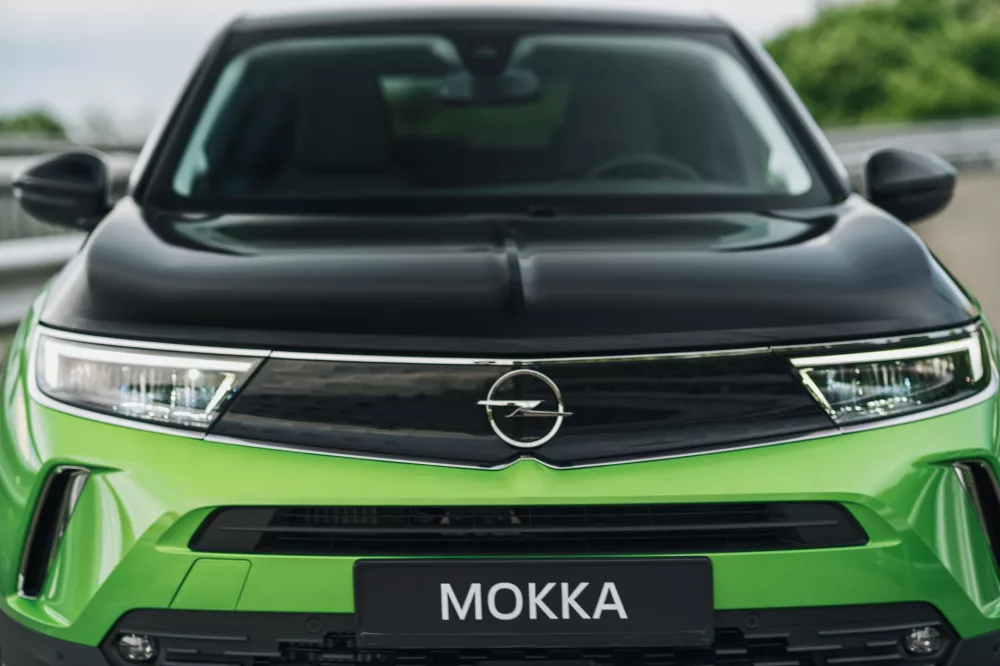
Their design language has definitely evolved over the years. You'll notice modern Opels showcasing clear, bold lines, often with distinctive front grilles and lighting signatures. They've moved towards a more confident, almost sculptural aesthetic, which I think looks quite sharp. It's a blend of form and function that feels distinctly German without being overly austere.
Inside the Cabin: Comfort and Connectivity
Stepping inside a contemporary Opel, you'll generally find well-laid-out interiors. They tend to prioritize ergonomics and ease of use. I particularly like how they often integrate modern infotainment systems that are intuitive and don't require an engineering degree to operate. Things like Apple CarPlay and Android Auto are usually standard or easily accessible, which, let’s be honest, is a must-have for most of us these days.
Comfort is another big one for Opel. Their seats, especially in higher trims, are often really well-designed, offering good support for longer journeys. They even have some models with AGR (Aktion Gesunder Rücken e.V.) certified ergonomic seats, which is a fantastic detail if you spend a lot of time driving. They're clearly thinking about driver well-being, and that’s something I always appreciate.
Opel's Modern Lineup and the Electric Revolution
The current Opel lineup is quite diverse, catering to various needs. We've got popular compact cars like the Opel Corsa, a perennial favorite in Europe, and the family-friendly Astra, which competes fiercely in the hatchback segment. Then there are the SUVs, a segment where Opel has really stepped up its game with models like the Mokka, Crossland, and Grandland. These crossovers have certainly helped them capture a new audience.
But the biggest transformation we're seeing is in electrification. Opel is really leaning into this, and it’s exciting to watch. They're not just offering electric versions of their existing models, but they're also making them genuinely competitive. You can get an all-electric Corsa-e or Mokka-e, for example, which deliver respectable range and performance for urban and suburban driving. This move towards electric mobility is a cornerstone of their future strategy, and I think they’re doing a pretty good job with it.
A Glimpse into the Future
Opel has made it clear that they're committed to becoming an all-electric brand in Europe by 2028. That's a bold target, and it means we'll be seeing a rapid introduction of new electric vehicles and phasing out of internal combustion engines. They're leveraging Stellantis's common platforms and technologies, which allows them to develop new models more efficiently. It’s smart, really, sharing resources to accelerate innovation. I’m eager to see what new designs and technologies emerge as a result.
My Thoughts on Opel's Place in the Global Market
Globally, Opel operates primarily in Europe, though you’ll find its derivatives (like Vauxhall in the UK, or even Buick in some markets historically) elsewhere. Their main competition comes from brands like Volkswagen, Ford, Renault, and Peugeot. It’s a tough market, particularly in Europe, with so many established players and new entrants.
However, under Stellantis, Opel has found a new sense of purpose and efficiency. They've streamlined their operations, focused on key markets, and are investing heavily in new technologies, especially electric powertrains. Their commitment to making German engineering accessible and appealing to a broad audience remains strong, and I believe that's their secret sauce. They aren't trying to be an ultra-luxury brand; they're focusing on quality, reliability, and value for the everyday driver.
In conclusion, Opel's journey has been one of constant adaptation and resilience. From sewing machines to electric cars, they've weathered economic storms, changed ownership, and consistently evolved. I think their future, especially with the clear focus on electrification and leveraging the Stellantis umbrella, looks brighter than it has in years. I’m certainly looking forward to seeing what else they roll out; it’s a brand with so much heritage, and it’s exciting to see it reinvent itself for a new era.